
Blog Posts
Perfume Notes Explained: Understanding Top, Middle, and Base Notes
Mar
Fragrance is an art, and every perfume is a carefully crafted masterpiece composed of different layers that unfold over time. Understanding perfume notes—top, middle, and base—helps you choose the perfect scent that complements your style and personality. Whether you’re new to the world of fragrances or looking to refine your knowledge, this guide will break down the essential components of perfume composition.
What Are Perfume Notes?
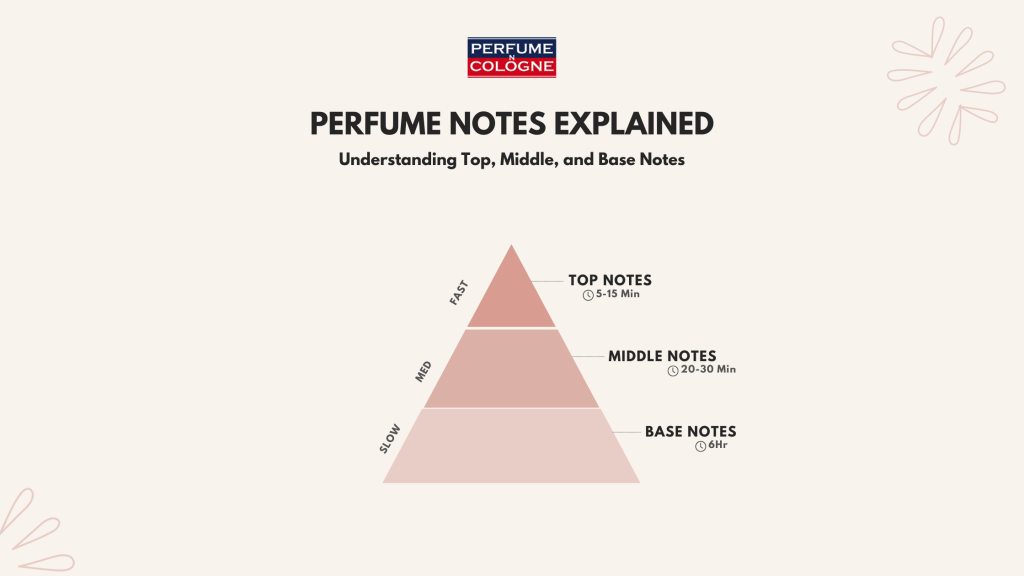
Perfume notes are the different scent layers that make up a fragrance. These notes are categorized into three distinct phases: top notes, middle (heart) notes, and base notes. Each plays a crucial role in how a perfume develops and lingers on the skin.
Top Notes: The First Impression
Top notes are the initial scents you smell immediately after applying a perfume. They are typically light, fresh, and volatile, meaning they evaporate quickly—usually within the first 15 to 30 minutes.
Common Top Notes:
- Citrus (lemon, bergamot, grapefruit)
- Fresh herbs (lavender, basil, mint)
- Fruity (apple, pear, berries)
Why They Matter: Top notes create the first impression of a fragrance, making them crucial in attracting the wearer’s interest. A bright, fresh opening can be inviting and energizing.
Middle Notes: The Heart of the Fragrance
Middle notes, also known as the heart notes, emerge once the top notes fade. These scents form the core of the perfume and typically last for several hours. Middle notes are well-balanced and blend harmoniously with both the top and base layers.
Common Middle Notes:
- Floral (rose, jasmine, lily of the valley)
- Spicy (cinnamon, cardamom, nutmeg)
- Fruity (peach, plum, apricot)
Why They Matter: The middle notes define the character of the perfume, giving it depth and complexity. Floral and spicy notes are often found in this layer to create a rich and captivating aroma.
Base Notes: The Lasting Impression
Base notes are the foundation of a fragrance and linger the longest on the skin, sometimes lasting all day. These deeper, heavier scents add warmth and depth, leaving a lasting impression.
Common Base Notes:
- Woody (sandalwood, cedarwood, vetiver)
- Musky (amber, vanilla, patchouli)
- Resinous (incense, benzoin, tonka bean)
Why They Matter: Base notes provide longevity and serve as the anchor of the perfume. They give the fragrance its staying power and leave a memorable trail.
How Perfume Evolves Over Time
The beauty of a well-crafted perfume lies in its evolution on the skin. As the top notes fade, the middle notes take center stage, gradually transitioning into the base notes. This transformation creates a multi-dimensional experience, ensuring that the fragrance is dynamic and intriguing throughout the day.
Choosing the Right Perfume Based on Notes
Selecting a fragrance that suits you involves understanding your preference for each layer:
- If you love fresh and energetic scents, look for citrusy top notes.
- If you prefer romantic and floral fragrances, choose perfumes with heart notes of jasmine, rose, or peony.
- For a warm and sensual aroma, opt for fragrances with deep, woody, or musky base notes.
Conclusion
Perfume is more than just a scent—it’s an evolving sensory experience that unfolds beautifully over time. Understanding top, middle, and base notes allows you to choose a fragrance that truly resonates with your personality and style. Explore a variety of expertly crafted perfumes at PerfumeNCologne.com and find the perfect scent that evolves with you.
